Swarms and Swarming
Volunteers required!
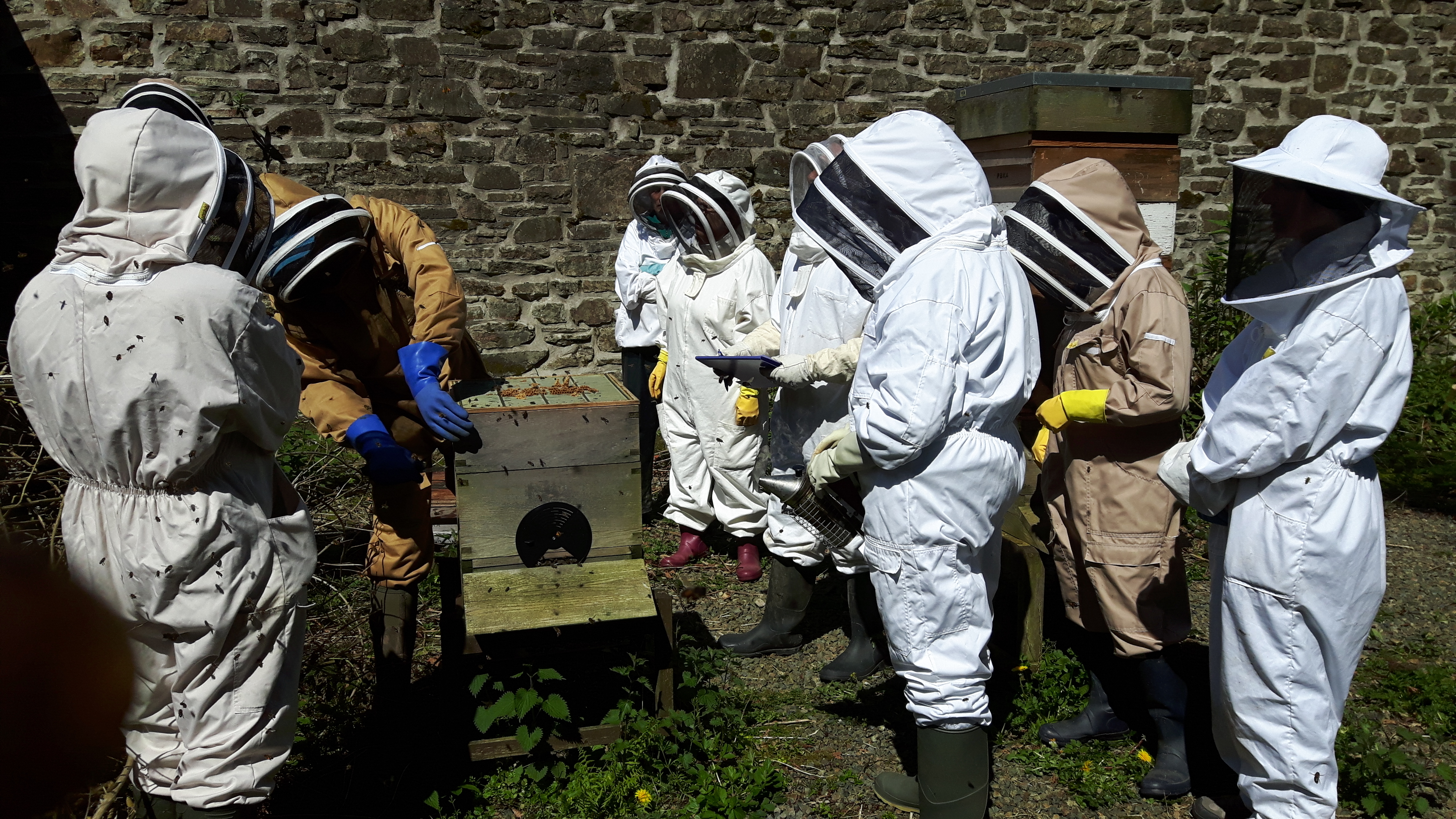
The PBKA has been very successful in recent years with its ever increasing membership, the development of the Pembrokeshire Beekeeping Centre and the continuing popularity of its training sessions at the Association apiaries. We also have other developments in the pipeline for 2022, including our new training apiary at Scolton, which we will be advising you on further in due course.
It all takes a lot of work to keep the Association running however and we are currently looking for additional volunteers to help!
Roles which currently need filling include:
- Membership Secretary
- Swarm Coordinators
- Undertaking routine hive inspections, maintenance, etc. at the Association apiaries
If you are interested in becoming a PBKA volunteer, please email the Chair, Paul Eades, at pbkaapiarymanager@live.co.uk
Many thanks!
Warning!!
Our bee inspector has issued a warning about colony starvation so please ensure that you urgently check your hives for stores and act appropriately.
Also note, that with the weather warming up over the weekend, there is a high risk of swarming, so get in there asap and check your colonies before they fly away!!
Swarm Prevention
Swarming is a hot topic at the moment and once which causes many beekeeping beginners and novices stress.
Bees can raise a queen from a day old larva (i.e. 4 days after the egg was laid) and the cell will be sealed on the eighth or ninth day after the egg was laid. So at this time of the year inspections are recommended at four or five day intervals – we all have experience of going back a week after a previous inspection when no queen cells were seen to find that they now have sealed queen cells. At which point the old queen has usually left the hive.
Clipping the queens wing, or wings prevents her flight and so while she may leave she will fall in front of the hive* and after a time the bees that left with her will return until the first virgin queen emerges when they are likely to leave in a cast (secondary) swarm. But this can give you a few extra days and if the the attempted swarm has been seen then you have confirmation that the bees are intent on swarming and not superseding the queen.
The Demaree method can suppress the swarming urge – which simply destroying queen cells will not do – and requires the minimum of additional equipment. The rather good Barnsley Beekeepers Association website has this excellent description of the Demaree method.
The more adventurous beekeepers among you may wish to try using the Snelgrove method – also described on the Barnsley Beekeepers Association website.
*this may seem cruel but remember that survival rates of swarms are very low and swarms can find homes in a location causing problems for householders. So letting them go is not a good option.
 Pembrokeshire Beekeepers' Association