Microscopy Course

Dear Beekeeper

Microscopy Course – An introduction to honey bee anatomy and dissection.

Venue: Plas Dolerw, Newtown

Date: 30 August 2025, 10 – 4

Cost £33

Tea and coffee provided but you are required to bring your own lunch

Registration link:  https://www.eventbrite.com/e/microscopy-for-beekeepers-honey-bee-anatomy-and-dissection-tickets-1507854656869?aff=oddtdtcreator

We have a spare place on this course which is available to members. No previous experience of microscopy is required as full training will be given. However, you will need to bring a low powered, dissecting microscope with you. If you are unsure if you have the correct equipment please contact Lynfa Davies on lynfa.davies@btinternet.com to discuss. There is no spare equipment available so it is essential that you check if you have the correct equipment.

Thanks

Lynfa

Next PBKA Apiary meeting – change of date from Sun 3rd August to Sun 31st July from 1pm in the Honey Kitchen!

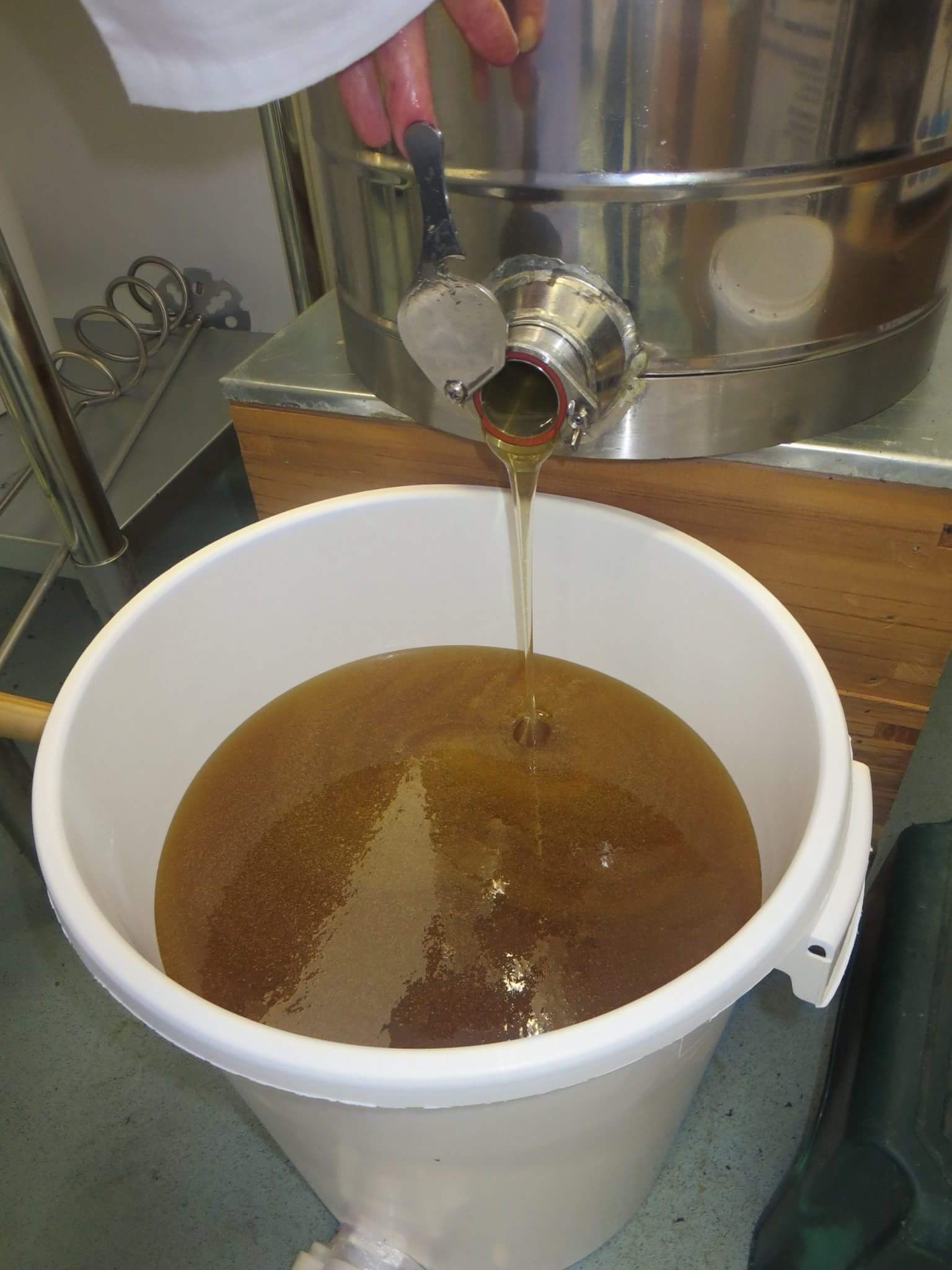
Would PBKA members please note that the meeting for Sunday 3rd August has now been cancelled and a honey extracting session will be held instead, up at the Honey Kitchen in the Stable Block at the top of the Scolton site this Sunday 27th July NOTE CHANGE OF TIME, NOW FROM 1PM!

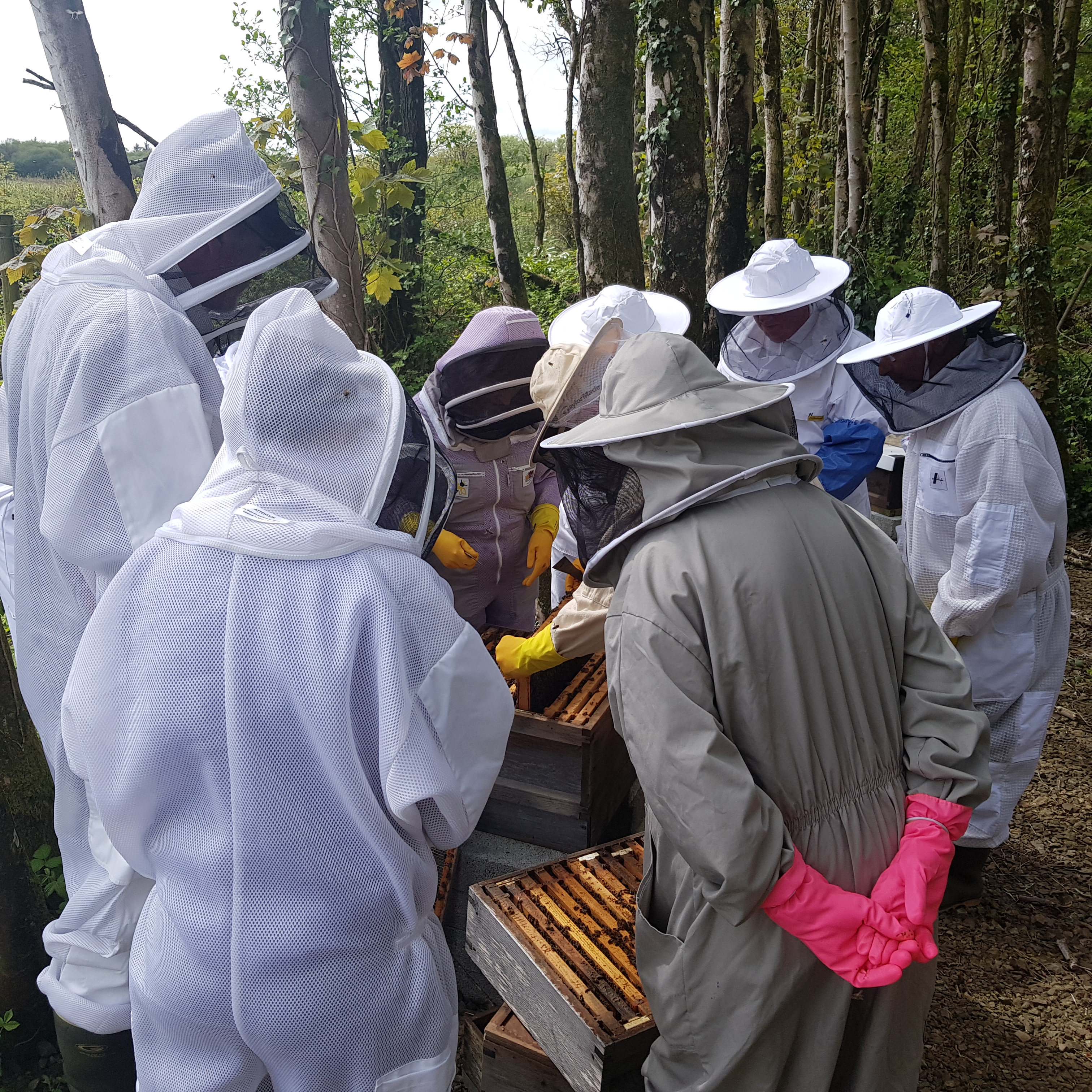
This will be of particular interest to those PBKA members who would like to learn how to extract honey and also those who would like to help us harvest the honey produced down at the training apiary.

We look forward to seeing you then!

Best regards

Paul

Email. pbkaapiarymanager@live.co.uk 

Highly Recommended Webinar! Tropilaelaps with Maggie Gill on July 3rd, 2025 at 7:30 PM

Tropilaelaps with Maggie Gill. Join us for a webinar on Jul 03, 2025 at 7:30 PM BST.

Register now!

Like Varroa, Tropilaelaps are brood parasites that feed and reproduce on honey bees. Originating in Asia, they have jumped species from their native hosts the giant Asian honey bees to our western honey bees. In much the same way as Varroa did in the 1980s are spreading westwards and were confirmed for the first time in Europe in 2024. Unfortunately, Tropilaelaps poses a much greater threat than Varroa, causing colony losses of between 50 to 80% in areas where they have recently been detected for the first time. Their faster rate of reproduction, shorter phoretic phase and apparent ability to survive on alternative hosts make them more difficult to control and treat.
Find out more about the biology, behaviour, and distribution of this exotic pest and the threat it poses to UK beekeeping.

Maggie Gill has been a beekeeper for 20 years, producing queens and nucs on a small scale and also working in honey bee research. Her research has seen her work with universities and beekeepers in Thailand, Lao, Canada, Chile, Sweden, Iran, USA and most recently Georgia to study honey bee pests and diseases. Currently a senior entomologist at Defra, Maggie worked as a seasonal and regional bee inspector for Wales for 10 years.

After registering, you will receive a confirmation email containing information about joining the webinar.

View System Requirements